
How Long Does a Dog Teeth Cleaning Take?
If you’ve ever wondered how long a dog teeth cleaning takes, most professional dog dental cleanings take between 45 minutes to 2 hours, depending on the dog’s size, age, and the condition of their teeth. But there’s more to the process than the cleaning itself, and understanding the full picture can help you feel confident and prepared on the day of your dog’s appointment.
At Totalcare Veterinary & Surgical Center in South San Francisco, our veterinary team performs comprehensive dental cleanings designed to protect your dog’s oral health and overall well-being. Keep reading to learn exactly what happens during a dog dental cleaning, why it takes the time it does, and what to expect before and after the procedure.
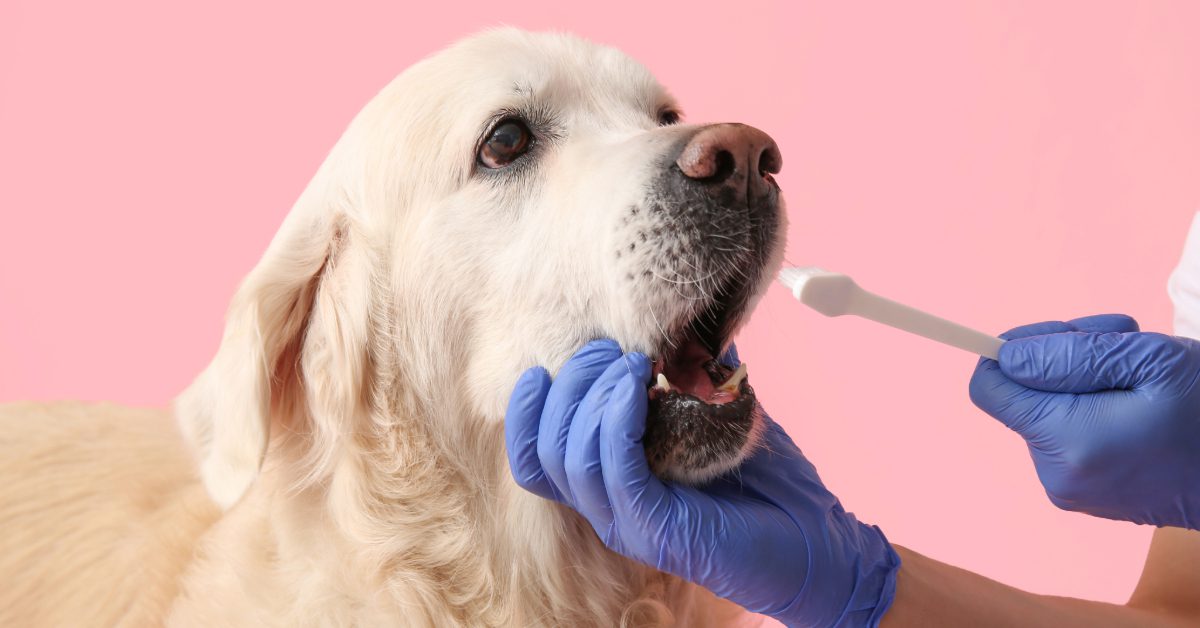
What Happens During a Professional Dog Teeth Cleaning?
A professional dog teeth cleaning, also called a canine dental prophylaxis, is much more involved than a simple polish. It’s a veterinary medical procedure that requires anesthesia, a full oral examination, and thorough cleaning both above and below the gumline.
Here’s a general breakdown of the steps involved in a professional dog dental cleaning at a veterinary clinic:
- Pre-anesthetic exam and bloodwork: Before the procedure begins, your dog receives a physical exam and pre-anesthetic blood panel to confirm they’re healthy enough for anesthesia.
- Anesthesia induction and monitoring: Your dog is placed under general anesthesia and continuously monitored by a trained veterinary team throughout the procedure.
- Full oral examination: Your veterinarian examines every tooth and surrounding tissue, checking for periodontal disease, tooth fractures, resorptive lesions, and other concerns.
- Scaling and polishing: Ultrasonic and hand scalers remove plaque and tartar above and below the gumline, and the teeth are polished to smooth the enamel surface.
- Dental X-rays: Full-mouth dental radiographs reveal what’s happening beneath the gumline, often the location of the most significant dental disease.
- Extractions (if needed): If any teeth are diseased, fractured, or non-viable, extractions may be performed during the same appointment.
- Recovery: Your dog is carefully monitored as they wake up from anesthesia before being cleared to go home.
Why Anesthesia Is Required
A thorough, safe dog teeth cleaning simply cannot be done without anesthesia. Dogs cannot hold still for a complete oral examination, and probing below the gumline, where most dental disease lives, would be painful and stressful without it. Anesthesia also protects your dog’s airway from water and debris during the cleaning process. This is why veterinary dental organizations, including the American Veterinary Dental College, recommend only anesthesia-based dental cleanings for dogs.
How Long Does a Dog Teeth Cleaning Actually Take?
The actual cleaning portion of a dog dental procedure typically takes 45 minutes to an hour. However, when you factor in the full process including pre-procedure prep, anesthesia induction, the cleaning itself, dental X-rays, and recovery, the total time your dog spends at the clinic is usually 4 to 8 hours. Many clinics, including Totalcare Veterinary & Surgical Center, ask you to drop your dog off in the morning and pick them up later in the afternoon.
Factors That Affect How Long a Dog Dental Cleaning Takes
No two dog dental cleanings are exactly alike. Several variables influence how long the procedure takes from start to finish:
- Dog size and breed: Larger dogs with more teeth or small breeds prone to overcrowding can require more time to clean thoroughly.
- Severity of dental disease: Heavy tartar buildup, periodontal disease, or multiple problem teeth require more time to address properly.
- Whether extractions are needed: If one or more teeth need to be extracted, this adds significant time to the procedure.
- How long since the last cleaning: Dogs receiving their first professional cleaning or those who haven’t had one in several years may have more buildup to address.
- Age and health status: Older dogs or those with underlying health conditions may require more cautious anesthesia protocols, which can affect overall timing.
Dog Teeth Cleaning Time for Puppies vs. Senior Dogs
Younger, healthier dogs with mild tartar buildup will typically have shorter procedures, often on the lower end of that 45-minute-to-hour range. Senior dogs, on the other hand, often have more significant dental disease and may need additional diagnostics or extractions, pushing the total procedure time higher. Your veterinarian’s goal is always thoroughness over speed. Your dog’s comfort and health take priority at every stage.
What to Expect the Day of Your Dog’s Dental Cleaning
Knowing what to expect on the day of your dog’s dental appointment helps reduce anxiety for both of you. The process below is how the day typically flows at Totalcare Veterinary & Surgical Center:
Fasting Before the Procedure
Your dog will need to fast, meaning no food for a period of time before the procedure, typically 8 to 12 hours. This is a standard anesthesia safety precaution that reduces the risk of aspiration during the procedure. Your veterinary team will give you specific fasting instructions when you schedule the appointment.
Drop-Off and Check-In
At check-in, a technician will review your dog’s health history, confirm the fasting status, and go over what the procedure involves. This is a great time to ask any questions you have about the dog teeth cleaning timeline or what to expect post-procedure.
During the Procedure
While your dog is having their teeth cleaned, our veterinary team monitors their vital signs continuously such as heart rate, blood pressure, oxygen levels, and temperature. At Totalcare Veterinary & Surgical Center, patient safety is the top priority throughout every step of the dental procedure.
Recovery and Pick-Up
Once the cleaning is complete and your dog is fully awake, a team member will call you for pick-up. Your veterinarian or technician will walk you through any findings from the procedure, including the results of dental X-rays and any teeth that were extracted. You’ll also receive aftercare instructions to help your dog recover comfortably at home.
How Often Should Dogs Get a Professional Teeth Cleaning?
Most veterinarians recommend that dogs receive a professional dental cleaning once a year. However, some dogs, particularly small breeds, brachycephalic breeds like pugs and bulldogs, and dogs prone to dental disease, may benefit from more frequent cleanings every 6 months. Other dogs with excellent home dental care and naturally clean teeth may be fine with cleanings every 18 months to 2 years.
The best person to determine your dog’s ideal cleaning schedule is your veterinarian. Regular wellness exams allow your vet to monitor your dog’s oral health over time and recommend professional cleanings at the right intervals. At Totalcare Veterinary & Surgical Center in South San Francisco, our team will work with you to build a dental care plan that fits your dog’s specific needs.
Signs Your Dog May Need a Dental Cleaning Now
Don’t wait for the annual reminder if your dog is already showing signs of dental disease. The following signs suggest your dog’s teeth may need professional attention sooner rather than later:
- Bad breath (halitosis): While dogs aren’t known for minty-fresh breath, persistent bad breath is a red flag for dental disease.
- Yellow or brown tartar buildup: Visible discoloration on the teeth, especially near the gumline, signals significant tartar accumulation.
- Red, swollen, or bleeding gums: These are signs of gingivitis or periodontal disease that need prompt veterinary attention.
- Difficulty chewing or dropping food: Dogs in oral pain may chew differently or favor one side of the mouth.
- Excessive drooling or pawing at the mouth: These behaviors can indicate oral discomfort.
- Loose or visibly damaged teeth: Any tooth that appears cracked, loose, or discolored warrants a veterinary exam.
What Good Dental Health Means for Your Dog’s Overall Health
Dental disease in dogs is more than a cosmetic issue. Research shows that bacteria from periodontal disease can enter the bloodstream and contribute to problems with the heart, kidneys, and liver. In fact, studies suggest that by age 3, the majority of dogs already have some degree of dental disease. That’s why professional dog dental cleanings aren’t just about fresh breath. They’re an essential part of your dog’s preventive healthcare.
Regular dental cleanings, combined with at-home oral care your veterinarian recommends, give your dog the best chance at a healthy mouth and a healthy body throughout their life. The time a dog teeth cleaning takes is a small investment compared to the long-term health benefits it provides.
Schedule Your Dog’s Dental Cleaning at Totalcare Veterinary & Surgical Center
Now that you know how long a dog teeth cleaning takes and what the process involves, you can walk into the appointment with confidence. Whether your dog is due for their annual cleaning or you’ve noticed signs of dental disease, our team at Totalcare Veterinary & Surgical Center in South San Francisco is here to help.
Our experienced veterinarians provide thorough, compassionate dental care for dogs of all ages and sizes. Call us today at (415) 621-9913 to schedule your dog’s dental exam and cleaning, and take an important step toward protecting their health from nose to tail.
Recent Posts
About Us
Small description of the practice goes here - maybe pull from the About Us page?