
Holiday Pet Health Guide: Can Dogs Eat Turkey Skin?
Many pet owners wonder if dogs can eat turkey skin while standing at the kitchen counter during holiday meals, watching hopeful eyes track every move. At TotalCare Veterinary & Surgical Center, we hear this concern every year. Turkey skin smells irresistible to dogs, but its rich, fatty nature makes it one of the least friendly holiday leftovers for canine digestion. While it may seem harmless, turkey skin often leads to stomach upset, discomfort, and avoidable emergency visits. Understanding why helps pet owners make confident, informed decisions that protect their dog’s comfort long after the plates are cleared.
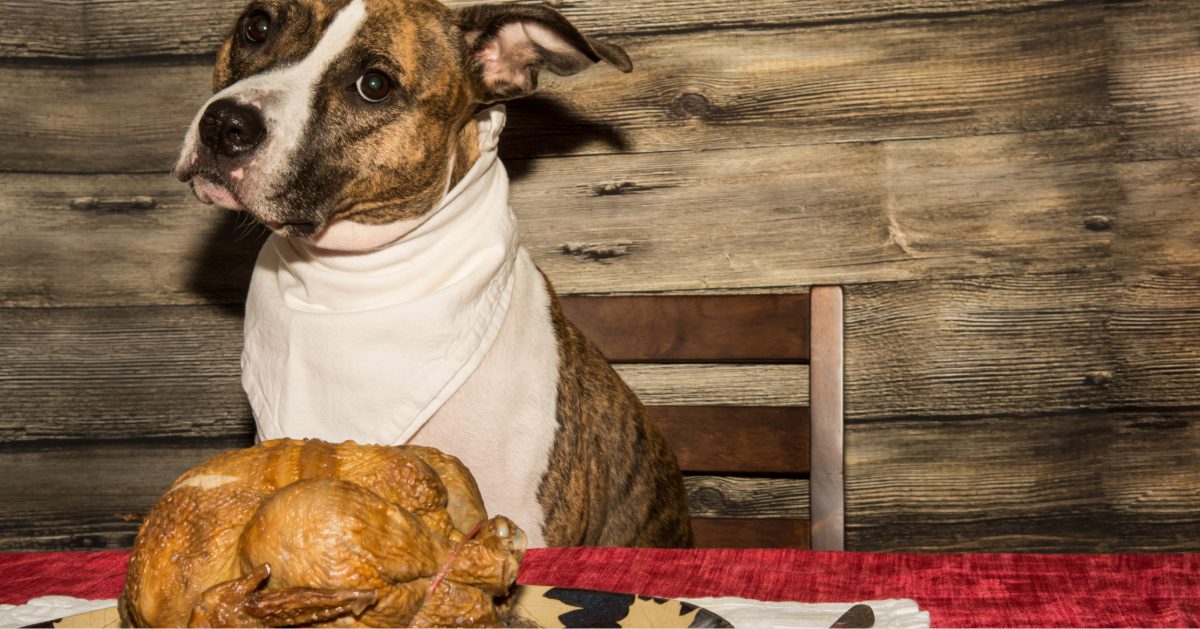
Holiday Foods That Are Dangerous for Dogs
Holiday tables look festive, but many popular dishes create problems for dogs. Even small tastes can cause digestive distress, especially when foods contain heavy fats, seasonings, or sugars. Dogs process food differently than people, which means foods that seem mild to us may overwhelm their systems.
Common holiday foods that raise concern include:
- Turkey skin, gravy, and dark meat trimmings
- Stuffing with onions, garlic, or herbs
- Mashed potatoes with butter or cream
- Ham, bacon, and sausage
- Desserts containing chocolate, raisins, or artificial sweeteners
These foods share one thing in common: high fat content or ingredients that irritate the digestive tract. When families ask, “Can dogs eat just a little turkey skin?” we explain that even small amounts may trigger vomiting, diarrhea, or abdominal discomfort. Some dogs tolerate it better than others, but there is no reliable way to predict which dog will struggle.
Holiday meals also tend to involve table scraps, which encourage begging behaviors and make dogs more likely to swallow food too quickly. That combination raises the risk of choking and stomach upset. Preventing access in the first place remains the safest option.
Why Turkey Skin Is Unsafe
Turkey skin poses challenges because of how it is prepared and what it contains. Roasting renders large amounts of fat, which soak into the skin and concentrate during cooking. Seasonings add another layer of irritation for sensitive digestive systems.
Fat Content and Digestive Stress
The biggest concern with turkey skin is fat. Dogs lack the ability to handle sudden surges of dietary fat efficiently. When dogs eat turkey skin, their pancreas and gastrointestinal tract must work harder than usual, which may lead to nausea, diarrhea, or abdominal pain. For some dogs, repeated exposure to fatty foods increases the risk of more serious digestive inflammation.
This is why veterinarians consistently answer “no” when asked if dogs can eat turkey skin safely. The risk outweighs the temporary enjoyment.
Seasonings and Cooking Methods
Turkey skin rarely comes plain. It often includes:
- Salt and pepper
- Garlic or onion powders
- Butter or oils
- Marinades or rubs
These ingredients may irritate a dog’s stomach and contribute to dehydration or gastrointestinal upset. Even when the turkey appears lightly seasoned, residue remains in the skin.
Portion Size and Behavior
Turkey skin also encourages overconsumption. Its texture makes dogs chew less and swallow more quickly. That increases the chance of choking or regurgitation. When owners wonder if dogs can eat turkey skin in tiny pieces, the answer remains the same because even a small portion carries concentrated fat and seasoning.
Safe Holiday Treats for Pets
Celebrating with your dog does not require sharing unsafe foods. Safe holiday treats allow dogs to participate without risking discomfort.
Pet-friendly options include:
- Plain cooked turkey breast without skin or seasoning
- Steamed green beans or carrots
- Small portions of plain pumpkin purée
- Apple slices without seeds
- Commercial holiday-themed dog treats
When families ask if dogs can eat turkey skin if the rest of the turkey is safe, we explain that the meat itself can be offered in moderation if it stays plain and skinless. That small adjustment keeps the holiday enjoyable for everyone.
Offering treats from your dog’s bowl instead of the table also supports healthy boundaries. Dogs still feel included without associating people’s plates with snacks.
What to Do If Your Dog Eats Turkey Skin
Accidents happen. Guests may drop food, or a dog may grab a piece before anyone notices. If your dog eats turkey skin, stay calm and observe closely. Most mild reactions involve temporary digestive upset that resolves with rest and hydration.
Watch for signs such as:
- Vomiting or diarrhea
- Lethargy
- Restlessness
- Reduced appetite
- Abdominal sensitivity
Providing fresh water and keeping meals light for the next day may help your dog settle. Avoid adding rich foods to compensate, as that often worsens symptoms.
If vomiting continues, your dog appears uncomfortable, or behavior changes persist, contact TotalCare Veterinary & Surgical Center at (415) 621-9913 or book an appointment online. Our team helps determine whether supportive care or further evaluation is needed.
Keeping Holidays Stress-Free for Dogs
Preventing access to unsafe foods protects your dog and gives you peace of mind. Simple steps reduce risk:
- Keep plates out of reach
- Secure trash bins
- Ask guests not to feed table scraps
- Prepare dog-safe treats in advance
Holiday routines also change feeding schedules, activity levels, and household noise. Providing quiet rest spaces and consistent meal timing helps dogs feel grounded during busy gatherings.
How TotalCare Veterinary & Surgical Center Supports Holiday Pet Health
At TotalCare Veterinary & Surgical Center, we focus on education, prevention, and long-term comfort. Questions like “can dogs eat turkey skin” open important conversations about nutrition, digestion, and lifestyle choices. Every dog has unique sensitivities, and understanding those differences helps families plan safer celebrations.
Our team encourages proactive conversations before holidays begin. When pet owners know what to avoid, they reduce stress, protect digestive health, and prevent unexpected visits during already busy weekends.
If you ever feel unsure about a food choice, we welcome your call at (415) 621-9913 or your online appointment request. A quick conversation often saves a long night of worry.
Turkey Skin Isn’t Worth the Risk
Turkey skin may look harmless, but for dogs, it creates more problems than pleasure. While the holiday table feels generous, dogs benefit most from thoughtful boundaries and safe alternatives. When families understand why the answer to “can dogs eat turkey skin” is no, they protect their dog’s comfort while still sharing the season together.
If you have questions about holiday foods, digestion, or nutrition, TotalCare Veterinary & Surgical Center is here to support you and your dog every step of the way. Call (415) 621-9913 or book an appointment online to keep your pet feeling their best through every celebration.
Recent Posts
About Us
Small description of the practice goes here - maybe pull from the About Us page?