
Do Dogs Go Under Anesthesia for Teeth Cleaning?
If you’re asking do dogs go under anesthesia for teeth cleaning, the answer is yes, and for very good reasons. General anesthesia is required for every safe, effective professional dog dental cleaning. Without it, a veterinarian cannot perform a complete oral examination, clean below the gumline, take dental X-rays, or address painful dental disease. At Totalcare Veterinary & Surgical Center in South San Francisco, our team takes anesthesia safety seriously at every step. We want every pet owner to feel informed and confident before their dog’s dental cleaning. Read on to learn why anesthesia is the standard of care, how it’s kept safe, and what to expect on the day of the procedure.
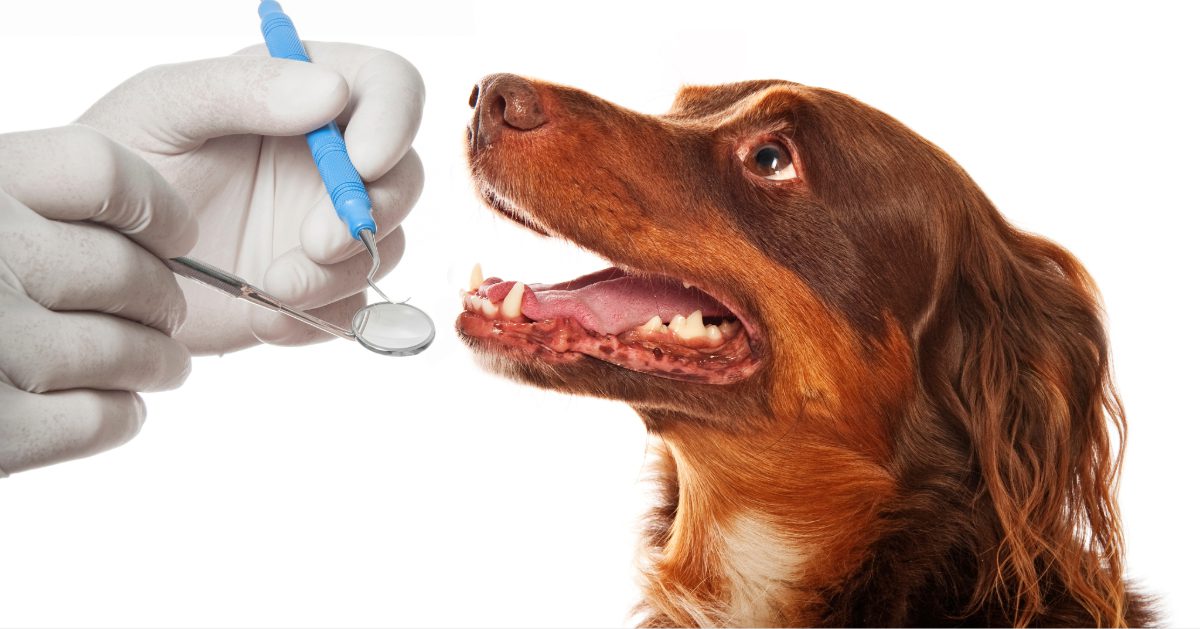
Why Do Dogs Need Anesthesia for a Dental Cleaning?
Anesthesia during a dog dental cleaning isn’t about convenience. It’s about safety and thoroughness. A conscious dog simply cannot remain still enough for the instruments and techniques required for a proper dental cleaning. More importantly, the most critical part of a dog dental cleaning happens below the gumline, where periodontal disease starts and where probing without anesthesia would be painful and stressful for the dog.
Here’s specifically why dogs need anesthesia for teeth cleaning:
- Complete subgingival cleaning: Plaque and tartar form below the gumline as well as above it. Cleaning these areas requires specialized instruments that cannot be used safely or effectively on an awake, moving dog.
- Periodontal probing: Your veterinarian must probe around every tooth to measure pocket depths, a key indicator of periodontal disease. This procedure requires the dog to be still and pain-free.
- Full-mouth dental X-rays: Dental radiographs are essential for identifying disease beneath the gumline, including bone loss, tooth root abscesses, and resorptive lesions. These X-rays cannot be properly taken on an awake dog.
- Airway protection: Water, debris, and bacteria produced during the cleaning process can be aspirated into the lungs if the airway isn’t protected. Anesthesia allows our veterinary team to place an endotracheal tube that keeps the airway clear throughout the procedure.
- Extractions (when needed): If a tooth needs to be extracted due to disease or fracture, this can only be performed safely and humanely under anesthesia.
- Reduced stress: The sounds, sensations, and duration of a dental cleaning would be frightening and overwhelming for a dog that is awake and aware. Anesthesia ensures your dog does not experience fear or pain during the procedure.
What Is Anesthesia-Free Dog Teeth Cleaning, and Is It Safe?
You may have seen advertisements for anesthesia-free dog dental cleaning services, often offered at groomers or pet stores. While these services are marketed as a safer, more convenient alternative, the veterinary community strongly advises against them and here’s why.
Anesthesia-free cleanings only address the visible surface of the teeth above the gumline. They cannot probe for periodontal pockets, clean below the gumline, or take diagnostic X-rays. This means the most common and damaging forms of dental disease, which develop at and beneath the gumline, go completely undetected and untreated. The result is a cosmetically cleaner-looking tooth that may be hiding significant disease underneath.
The American Veterinary Dental College (AVDC) and the American Animal Hospital Association (AAHA) both oppose anesthesia-free dental cleanings for these reasons. These procedures also create stress for the dog and carry the risk of injury from dental instruments used on an uncooperative, awake patient. A dog dental cleaning under anesthesia, performed by a licensed veterinarian, is the only approach that meets the standard of care.
How Do Veterinarians Keep Dogs Safe Under Anesthesia?
Anesthesia safety in veterinary medicine has advanced significantly. When performed by trained veterinary professionals with proper monitoring equipment, anesthesia carries a low risk for healthy dogs. At Totalcare Veterinary & Surgical Center, we follow a comprehensive safety protocol designed to minimize risk at every stage of the procedure.
Pre-Anesthetic Screening
Before your dog goes under anesthesia for a teeth cleaning, they receive a thorough physical examination and pre-anesthetic bloodwork. Blood panels check organ function, red and white blood cell counts, and other values that indicate whether your dog is a safe anesthetic candidate. This step is especially important for senior dogs or those with known health conditions. If any concerns are identified, our veterinary team will adjust the anesthesia protocol or recommend additional diagnostics before proceeding.
Tailored Anesthesia Protocols
Not every dog receives the same anesthesia. Our veterinary team selects medications based on your dog’s size, age, breed, health status, and any medications they’re currently taking. This individualized approach is one of the most important factors in keeping dog anesthesia for dental cleaning safe across different patients.
Continuous Monitoring Throughout the Procedure
While your dog is under anesthesia for their dental cleaning, a veterinary technician is dedicated to monitoring their vital signs throughout the entire procedure. Monitored parameters include heart rate, respiratory rate, blood pressure, oxygen saturation, carbon dioxide levels, and body temperature. This continuous oversight allows our team to respond immediately to any changes.
IV Catheter and Fluid Support
Dogs undergoing anesthesia for a dental cleaning receive intravenous (IV) fluid support through an IV catheter placed before the procedure begins. IV fluids help maintain blood pressure and hydration during anesthesia and provide immediate venous access if any medications need to be administered quickly during the procedure.
Are There Risks to Anesthesia for Dog Teeth Cleaning?
Any medical procedure carries some degree of risk, and anesthesia is no exception. However, it’s important to put those risks in perspective. For healthy dogs, the risk of serious anesthetic complications is very low. This means the risk of not treating dental disease, which can lead to chronic pain, tooth loss, and systemic health problems, typically far outweighs the risk of the anesthesia itself.
Factors that can increase anesthetic risk include advanced age, obesity, brachycephalic (flat-faced) anatomy, and underlying health conditions such as heart or kidney disease. When any of these factors are present, our veterinary team at Totalcare Veterinary & Surgical Center takes additional precautions and may recommend specialist consultation before proceeding with the dental cleaning.
What to Expect When Your Dog Goes Under Anesthesia for a Dental Cleaning
Knowing exactly what happens on the day of the procedure can ease anxiety for pet owners. Here’s how the process typically unfolds when your dog goes under anesthesia for a teeth cleaning at Totalcare Veterinary & Surgical Center:
- Fasting the night before: Your dog will need to fast for 8 to 12 hours prior to the procedure. This is a standard safety measure that reduces the risk of aspiration during anesthesia induction.
- Morning drop-off: You’ll bring your dog in the morning, and our check-in team will review their health history, confirm fasting status, and answer any last questions.
- Pre-anesthetic exam: Your veterinarian performs a hands-on exam before anesthesia is administered to confirm your dog is ready to proceed.
- Anesthesia induction: Your dog is given pre-anesthetic medications to promote relaxation, followed by anesthesia induction and placement of an endotracheal tube to protect the airway.
- The dental procedure: Our veterinary team performs the full dental cleaning, including X-rays, scaling, polishing, periodontal probing, and any necessary extractions.
- Recovery: After the procedure, your dog is moved to a recovery area and closely monitored until fully awake and stable.
- Pick-up and discharge: Once your dog is recovered and ready to go home, you’ll receive a thorough discharge briefing covering findings, any extractions performed, and aftercare instructions.
Senior Dogs and Anesthesia: What You Should Know
Age alone is not a contraindication for anesthesia. A dog’s overall health status matters far more than their age. Many senior dogs successfully and safely undergo anesthetic dental procedures every year.
That said, senior dogs do benefit from more comprehensive pre-anesthetic screening, which may include bloodwork, urinalysis, blood pressure measurement, and cardiac evaluation. This allows our veterinary team to identify any age-related organ changes that should be factored into the anesthesia protocol. At Totalcare Veterinary & Surgical Center, our team takes extra care with senior patients to make anesthesia as safe as possible while still addressing their dental health needs.
Leaving dental disease untreated in a senior dog because of anesthesia concerns often does more harm than good. Chronic dental pain, oral infections, and the systemic effects of periodontal disease significantly reduce a dog’s quality of life in their senior years. Our veterinary team will work with you to weigh the risks and benefits for your individual dog.
Talk to Your Vet About Dog Dental Anesthesia at Totalcare Veterinary & Surgical Center
Now you know why dogs go under anesthesia for dental cleanings, how the process works, and what safety measures are in place to protect your pet throughout. Anesthesia is not something to fear, it’s what makes a complete, safe, and effective dog teeth cleaning possible.
If you have questions about your dog’s upcoming dental procedure or want to discuss any concerns about anesthesia, our team at Totalcare Veterinary & Surgical Center in South San Francisco is happy to talk you through it. We believe informed pet owners make the best advocates for their pets’ health. Call us today at (415) 621-9913 to schedule a dental consultation or your dog’s next professional dental cleaning.
Recent Posts
About Us
Small description of the practice goes here - maybe pull from the About Us page?