
My Dog’s Teeth Are Brown: Causes and Solutions
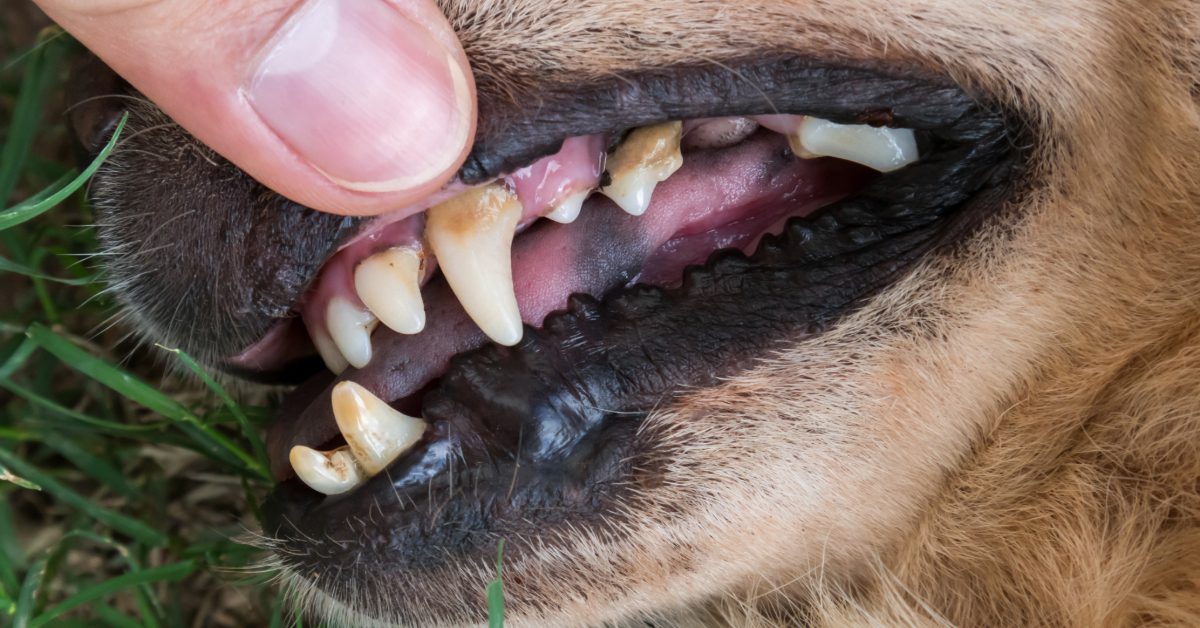
When pet owners tell us, “My dog’s teeth are brown,” the concern usually carries a mix of surprise, worry, and guilt. Brown discoloration often appears gradually, so it can feel sudden when it finally becomes noticeable. From our perspective as a veterinary team, dog teeth that are brown in color almost always point to changes happening below the surface of the mouth. Some causes stay cosmetic, while others signal deeper oral health problems that deserve attention.
At TotalCare Veterinary & Surgical Center, we see this issue every week. Our goal is to help pet owners understand what brown teeth mean, why they happen, and how to protect their dog’s comfort and long-term health.
Why Do Dogs’ Teeth Turn Brown?
Dog teeth that turn brown in color most often result from buildup that forms when food particles, bacteria, and saliva mix along the gumline. Over time, this soft plaque hardens into tartar, which carries a yellow-brown or dark brown appearance. Once tartar forms, brushing alone can no longer remove it.
Beyond plaque and tartar, other biological processes also influence tooth color. Minerals in saliva, chewing habits, and even genetics affect how quickly discoloration develops. Some dogs simply accumulate staining faster than others, even with similar diets and care routines.
We also remind pet owners that a dog’s mouth is not a sterile environment. Bacteria thrive there naturally, and when they remain undisturbed, they produce acids and toxins that affect tooth enamel and gum tissue. This environment explains why brown discoloration rarely stays limited to one small area for long.
How Fast Discoloration Can Progress
What begins as light yellow shading can become dark brown within months. Many dogs show no signs of discomfort during early stages, which makes the change easy to overlook. By the time owners notice the color shift, tartar often covers large portions of the tooth surface.
Common Causes of Tooth Discoloration in Dogs
Brown teeth do not come from a single source. Several factors often work together, which is why we encourage owners to view oral health as a daily habit rather than a one-time fix.
The most common contributors include:
- Plaque and tartar buildup along the gumline
- Diets high in soft or sticky foods
- Limited chewing on textured toys or dental chews
- Age-related enamel changes
- Saliva composition and mineral content
Each of these plays a role in why brown discoloration appears on your dog’s teeth and continues to worsen.
Diet and Chewing Habits
Soft foods cling to tooth surfaces more easily than crunchy kibble. Dogs that rarely chew textured items miss out on the natural scraping action that helps reduce plaque. Even dogs that eat dry food may still develop buildup if their chewing patterns are gentle.
Age and Genetics
As dogs age, enamel naturally thins. Thinner enamel allows darker underlying layers to show through, making teeth appear more brown than white. Some breeds also develop discoloration more quickly due to jaw shape, crowding, or inherited enamel traits.
Water and Saliva Minerals
Mineral content in drinking water and saliva can accelerate tartar formation. This factor explains why two dogs in the same home may show different levels of discoloration.
When Brown Teeth Signal Dental Disease
Dog teeth that are brown do not always equal disease, but they often serve as an early warning sign. Once tartar extends below the gumline, bacteria begin to damage supporting tissues. This process leads to periodontal disease, which affects far more than the mouth.
Signs that discoloration may reflect deeper trouble include:
- Red or swollen gums
- Bleeding along the gumline
- Persistent bad breath
- Pawing at the mouth or face
- Dropping food while eating
When these symptoms appear alongside brown teeth, we encourage prompt evaluation.
The Link Between Oral Health and Whole-Body Health
Dental bacteria can enter the bloodstream and travel to organs such as the heart, liver, and kidneys. Over time, this circulation increases the risk of systemic illness. While many owners focus on appearance, we focus on prevention because oral infections affect far more than a smile.
Pain Is Often Hidden
Dogs instinctively mask discomfort. A pet may continue eating and playing even while experiencing dental pain. Brown teeth can therefore represent a silent problem that deserves attention before visible behavior changes occur.
Treatment and Prevention Options
Preventing brown discoloration starts with daily habits and continues with professional support. At-home habits that support cleaner teeth include:
- Regular tooth brushing with pet-safe products
- Offering textured dental chews
- Providing chew toys designed for oral health
- Wiping visible tooth surfaces with soft cloths
These steps help slow plaque accumulation and support fresher breath.
Why Professional Cleanings Matter
Once tartar hardens, only professional dental equipment can remove it safely. Cleanings also allow us to evaluate gum pockets, tooth stability, and hidden damage beneath the surface. Routine professional care protects both comfort and long-term health.
Building a Sustainable Dental Routine
Consistency matters more than perfection. Brushing three times per week delivers more benefit than brushing daily for one week and stopping for months. Short, calm sessions help dogs build trust and tolerance over time.
Preventive benefits include:
- Reduced tartar buildup
- Healthier gums
- Fresher breath
- Lower risk of tooth loss
These outcomes directly improve quality of life.
How TotalCare Veterinary & Surgical Center Supports Oral Health
At TotalCare Veterinary & Surgical Center, we approach dental care with education, compassion, and clarity. We help pet owners understand what they see at home and what we observe during exams. Our team believes informed owners make confident decisions.
When discolored dog teeth raise concern, we guide families through the next steps with transparency and care. Every dog deserves comfort, function, and a healthy mouth.
If you notice changes in your dog’s teeth or breath, we invite you to call (415) 621-9913 or book an appointment online. Our team is always ready to answer questions and help you protect your pet’s smile.
Tooth Color Isn’t Just Cosmetic
Brown teeth often begin quietly, but they rarely remain harmless forever. Discoloration reflects an ongoing process that continues unless interrupted. With steady habits and professional guidance, pet owners can dramatically reduce future dental problems.
We encourage families to think of oral care as part of everyday wellness. Healthy teeth support comfortable eating, playful behavior, and long-term vitality.
A Brighter Smile Starts With Awareness
Dog teeth that have brown discoloration may cause you to feel discouraged, but it also provides an opportunity. Awareness leads to action, and action leads to better health. When pet owners recognize the signs early, they give their dogs the chance to enjoy cleaner mouths and happier years ahead.
If you have questions about your dog’s oral health or would like guidance from a trusted veterinary team, call (415) 621-9913 or schedule an appointment with TotalCare Veterinary & Surgical Center today. We look forward to helping your dog smile with confidence again.
Recent Posts
About Us
Small description of the practice goes here - maybe pull from the About Us page?