
Spay Incision Lump in Dogs: What’s Normal and What’s Not
It is one of the most common and unsettling discoveries pet owners make during their dog’s spay recovery: a small lump near the incision. You bring your dog home focused on keeping her calm, comfortable, and protected from licking or chewing her sutures. Then one day, while gently checking her belly, you feel a change in the contour of the skin. The area may feel firm, thickened, or even slightly squishy. That moment often brings immediate concern.
At TotalCare Veterinary & Surgical Center, we want pet owners to know that a spay incision lump in dogs frequently represents normal healing. Still, because similar lumps can occasionally indicate infection, fluid buildup, suture reaction, or even an incisional hernia, understanding the differences matters. Knowing what is expected and what is not allows you to protect your dog’s recovery while avoiding unnecessary panic.
Why Do Lumps Form After Spay Surgery?
Spay surgery involves carefully opening and closing multiple tissue layers. These include the skin, underlying fat, and the abdominal muscle fascia. Each layer must heal independently while working together as a single structure. Once surgery is complete, the body immediately begins repair.
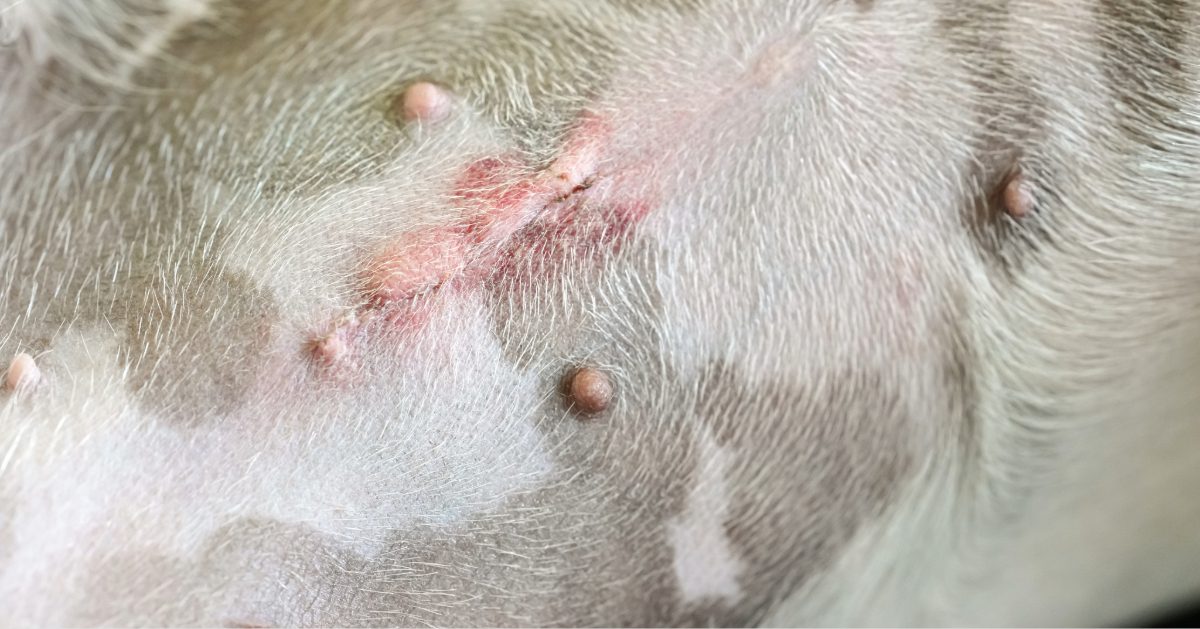
Inflammatory cells, healing proteins, and fluid rush to the incision site. This response helps rebuild tissue, but it also creates swelling. That swelling often feels like a firm ridge beneath the incision and is commonly referred to as a healing ridge or scar tissue formation.
This healing ridge represents collagen production and cellular repair. It is usually centered directly under the incision line and should not feel excessively painful or hot. Over time, the body reorganizes the tissue and the ridge gradually softens and flattens.
Activity level strongly influences how noticeable a spay incision lump in dogs becomes. Jumping, playing, or sudden movements place tension on healing tissue and increase fluid accumulation. That is why we emphasize strict activity restriction for at least 10 to 14 days. Short, controlled leash walks for bathroom breaks and quiet rest are essential for proper healing.
When activity is limited, the body can repair tissue efficiently and reduce the risk of complications.
Seroma vs. Hematoma
Not all post-spay lumps are scar tissue. Two other common causes include seromas and hematomas.
A seroma is a collection of clear, yellowish healing fluid beneath the skin. It often feels soft, squishy, or like a small water balloon. Seromas form when the body produces more fluid than it can immediately absorb, which frequently occurs when a dog is too active during recovery. These lumps are usually painless and resolve gradually as the body reabsorbs the fluid.
A hematoma is a pocket of clotted blood beneath the incision. It typically feels firmer, warmer, and may appear darker. Hematomas usually develop shortly after surgery and may cause more sensitivity. While many small hematomas resolve naturally, they should always be evaluated to confirm there is no ongoing bleeding or discomfort.
Both conditions often improve with time, but veterinary monitoring ensures proper healing.
Normal Healing vs. Infection in Spays
Distinguishing between normal recovery and infection is one of the most important responsibilities during post-operative care.
A normal spay incision lump in dogs usually shows these features:
- The size remains stable or slowly decreases.
- The lump feels firm or mildly soft without increasing pain.
- The skin stays light pink or normal in color.
- The incision edges remain closed and dry.
- Your dog eats, drinks, and behaves normally.
Mild redness is expected early but should fade each day. A tiny amount of clear or pale pink moisture may appear within the first 24 hours, but this should stop quickly.
Infection produces very different changes. Contact your veterinarian immediately if you notice:
- Thick yellow, green, or creamy discharge
- Strong or foul odor
- Rapidly spreading redness or dark skin
- Heat and tenderness at the incision
- Lethargy, appetite loss, vomiting, or fever
Improvement should occur daily. If conditions worsen instead of improve, evaluation is necessary.
When to Call the Vet
We encourage all pet owners to contact TotalCare Veterinary & Surgical Center whenever they feel uncertain. Certain signs, however, require immediate attention:
- Any opening or gapping of the incision
- A lump that grows rapidly within 24 hours
- Sudden firmness or immobility of the lump
- Obvious pain when touched
- Behavioral changes such as restlessness or withdrawal
Early intervention often prevents serious complications and protects the integrity of the surgical repair.
Incisional Hernias
An incisional hernia is the most serious type of spay incision lump in dogs, though it remains uncommon. It occurs when the deep abdominal layer fails to heal properly, allowing internal tissue to bulge beneath the skin.
These lumps feel very soft and often push back inside when gently pressed. Hernias frequently develop after excessive activity or suture failure. While many contain only fat, any large, soft, sudden lump warrants immediate evaluation.
If intestine becomes trapped within the hernia, blood flow may be compromised, creating a life-threatening emergency. Surgical correction is required to repair the abdominal wall and restore stability.
Strict adherence to post-operative restrictions remains the most effective prevention.
How Vets Treat Spay Incision Lumps and Infections
Treatment depends entirely on diagnosis.
For healing ridges and uncomplicated seromas, we typically recommend observation, continued rest, and daily monitoring. In some cases, we may approve gentle warm compresses after evaluation to encourage fluid absorption.
If infection is present, antibiotics and supportive care become necessary. For suture reactions, anti-inflammatory therapy or minor corrective procedures may be required. Hernias always require surgical repair.
Sometimes we perform a fine-needle aspirate to analyze fluid type. Each treatment plan is individualized. There is no universal solution for a spay incision lump in dogs.
Our goal is always safe, comfortable, and complete recovery.
Supporting Your Dog’s Recovery at Home
Healing improves when dogs remain calm, protected, and closely observed. Clean bedding, limited activity, and consistent routines support natural tissue repair. Preventing licking reduces irritation and infection risk.
Daily incision checks allow owners to notice subtle changes early. Most spay incision lumps in dogs resolve naturally when proper care and patience are applied.
Healing With Confidence
A spay incision lump in dogs often represents the body doing exactly what it should. With awareness, observation, and veterinary partnership, most dogs recover smoothly and return to normal activity without complication.
If you notice a spay incision lump in dogs or have questions about recovery, call (415) 621-9913 or book an appointment online with TotalCare Veterinary & Surgical Center. We are here to support your dog’s healing with clarity, compassion, and expertise.
Recent Posts
About Us
Small description of the practice goes here - maybe pull from the About Us page?