
What Shots Do Kittens Need?
What shots do kittens need? That question usually arrives the same day a tiny nose peers out of a carrier, curious and already determined to explore every corner of the room. New kittens bring excitement, energy, and a long list of decisions that shape their future health. At TotalCare Veterinary & Surgical Center, we guide families through those first months with clear information, thoughtful planning, and care that supports kittens as they grow into confident, healthy cats. Vaccines play a key role in that journey because they help protect kittens while their immune systems are still learning how to defend themselves.
Why Do Kittens Need Vaccines?
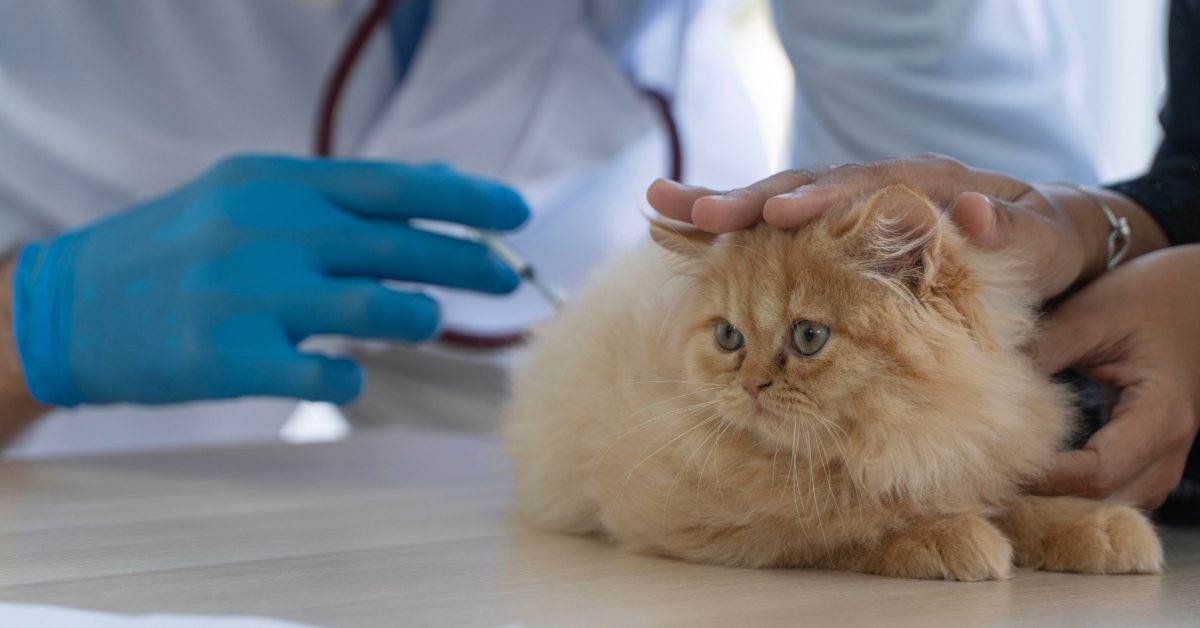
Kittens enter the world with limited immune protection. While they receive early antibodies from their mother, that protection fades quickly, leaving them vulnerable to contagious diseases that spread easily in homes, shelters, boarding facilities, and outdoor environments. When families ask what shots do kittens need, they are really asking how to give their kitten a stronger, safer start.
Vaccines teach the immune system to recognize harmful viruses and bacteria before real exposure occurs. This training allows the body to respond faster and more effectively if illness appears later. Vaccination also helps reduce the spread of disease within the larger cat community, which protects other pets in your home and throughout your neighborhood.
Kittens also experience frequent changes early in life. They meet new people, explore new spaces, and sometimes interact with other animals. Each new exposure increases their risk. Vaccines create a protective layer that travels with them wherever their curiosity leads.
Beyond physical health, vaccines support long-term stability. Preventing serious illness often avoids emergency visits, long recoveries, and long-term complications. When families understand what shots their kitten needs, they gain peace of mind knowing their kitten has reliable protection during a critical growth stage.
Core Kitten Vaccines
Core vaccines protect against diseases considered widespread, highly contagious, or potentially life-threatening. These vaccines form the foundation of every kitten’s preventive care plan.
Common core kitten vaccines include:
- Feline viral rhinotracheitis, calicivirus, and panleukopenia (FVRCP)
- Rabies vaccine
The FVRCP combination protects against three serious viral infections that affect the respiratory system and digestive tract. Panleukopenia, in particular, can be fatal in young kittens. Rabies vaccination protects both pets and people, since rabies remains a public health concern.
When families ask what vaccines their kitten needs, core vaccines always top the list. These vaccines support survival, comfort, and community safety. They also help prevent long periods of isolation or hospitalization that can interrupt a kitten’s social development.
Core vaccines are given in a series, not a single visit. This schedule ensures that the kitten builds strong and lasting immunity as maternal antibodies fade. Each dose strengthens the immune response until full protection develops.
Additional Recommended Vaccines
Not every kitten lives the same lifestyle. Some remain strictly indoors. Others explore patios, meet visiting pets, or spend time in multi-cat households. Because of these differences, additional vaccines may be recommended based on risk.
Non-core but commonly recommended vaccines may include:
- Feline leukemia virus (FeLV)
- Bordetella
- Chlamydia
FeLV vaccination often receives special attention because the virus spreads through close contact and can cause lifelong illness. In fact, the American Animal Hospital Association (AAHA) now recommends this vaccine as a core vaccine for kittens. Many families choose this vaccine even for their indoor kittens and adult cats because exposure can happen unexpectedly.
When discussing what shots do kittens need, we look at lifestyle, environment, and future plans. A kitten that may board, travel, or live with other cats benefits from broader protection. These decisions remain flexible and can evolve as your kitten’s routine changes.
Kitten Vaccine Schedule
Understanding timing matters just as much as understanding which vaccines to give. A kitten’s immune system develops in stages, so vaccines work best when delivered in a structured series.
A typical kitten vaccine timeline includes:
- First vaccines around 6–8 weeks
- Booster doses every 3–4 weeks
- Final kitten boosters near 16 weeks
This schedule helps close immunity gaps while maternal antibodies decrease. Skipping or delaying doses can reduce effectiveness, which is why consistency matters.
When families ask what shots does their kitten need, they often also ask how many visits are required. The answer usually involves several appointments over a few months. These visits allow us to track growth, answer questions, and adjust care plans as needed.
Why Boosters Are Vital
Booster vaccines strengthen and stabilize immunity. The first dose introduces the immune system to a disease. Each booster reinforces that memory. Without boosters, protection may remain incomplete.
Booster visits also give us a chance to check weight, behavior, and development. These small moments help catch issues early while building trust between your kitten and our team.
Transitioning to Adult Vaccines
After the kitten series ends, vaccines shift to an adult schedule. Some vaccines repeat annually, while others may extend to longer intervals. We personalize this plan based on lifestyle and risk, always revisiting what shots kittens need as they grow into adult cats.
Supporting Your Kitten at Home After Vaccines
While vaccines prepare the immune system, gentle support at home helps kittens stay comfortable. Most kittens act completely normal after vaccination, though mild sleepiness or brief tenderness at the injection site can occur.
You can support your kitten by:
- Providing a quiet, warm resting area
- Offering fresh water and normal meals
- Allowing extra cuddle time if they seek comfort
Observation is important. If anything seems unusual, our team is always ready to help guide next steps.
How Vaccines Fit Into Lifelong Wellness
Vaccines do not stand alone. They work best as part of a complete wellness plan that includes nutrition, parasite prevention, dental care, and regular exams. When families understand what shots their kitten needs to stay healthy, they often feel more confident making future health decisions as well.
At TotalCare Veterinary & Surgical Center, we view vaccination as a partnership. We provide education, clarity, and individualized planning so families feel supported rather than overwhelmed.
Why Early Planning Makes a Difference
Kittens grow quickly. Their immune systems, muscles, and habits form at a rapid pace. Vaccines keep that growth focused on exploration instead of recovery from illness.
When families start early, they reduce long-term risks. They also build a positive relationship with veterinary care, which benefits cats throughout adulthood.
Early planning also saves time and stress later. A clear vaccine path avoids last-minute scheduling and urgent concerns. It turns preventive care into a calm, organized process.
Strong Protection for Small Paws
Kittens may arrive small, but their futures hold big adventures. Knowing what shots kittens need helps protect those adventures from the very beginning. Vaccines offer vital protection and peace of mind during a time of rapid growth and discovery.
If you recently welcomed a kitten or plan to soon, we invite you to partner with our team. Call (415) 621-9913 or book an appointment online with TotalCare Veterinary & Surgical Center. Together, we can help your kitten grow into a healthy, curious, and well-protected cat who is ready for every chapter ahead.
Recent Posts
About Us
Small description of the practice goes here - maybe pull from the About Us page?