
How Often Do Cats Need Teeth Cleaning?
If you’ve been wondering how often cats need teeth cleaning, you’re already ahead of the curve as a cat owner. Most cats benefit from a professional dental cleaning once a year, though some may need it more or less frequently depending on their individual oral health. Dental disease is one of the most common health problems in cats, yet it’s also one of the most preventable with the right care and regular veterinary attention.
At Totalcare Veterinary & Surgical Center in South San Francisco, our veterinary team provides comprehensive feline dental care to help cats live healthier, more comfortable lives. In this guide, we’ll walk you through everything you need to know about cat dental cleanings: how often they’re needed, what the procedure involves, and what signs to watch for at home.
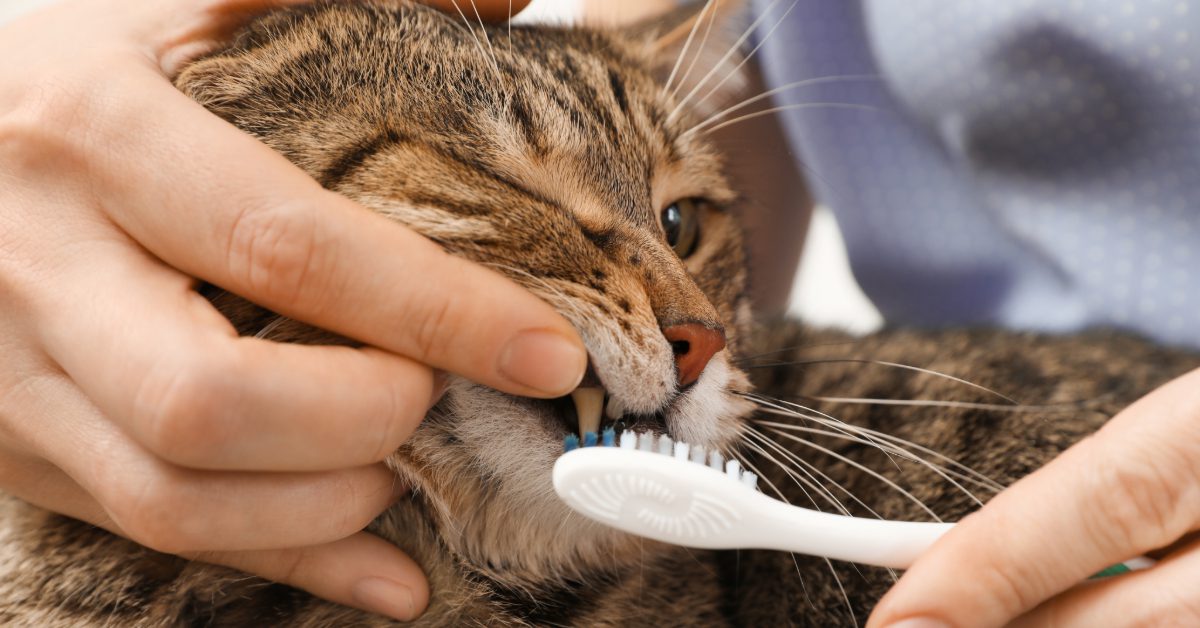
Why Cat Dental Health Matters More Than You Might Think
Cats are notoriously private about pain. Because they tend to hide discomfort, dental disease often goes unnoticed until it’s quite advanced. By the time most cats reach age 3, veterinary studies estimate that more than 70% already have some form of dental disease. Left untreated, oral bacteria can enter the bloodstream and affect the kidneys, heart, and liver, organs that are critical to a cat’s long-term health and quality of life.
This is why routine cat teeth cleaning isn’t a luxury. It’s a core component of preventive veterinary care. The good news is that with regular professional cleanings and appropriate at-home monitoring, dental disease is highly manageable in most cats.
What Happens Without Regular Dental Care
When plaque isn’t removed, it hardens into tartar within days. Tartar accumulation leads to gingivitis, and untreated gingivitis progresses to periodontal disease, which is a painful, destructive condition that damages the tissues and bone supporting the teeth. Cats with periodontal disease may experience tooth loss, oral pain, and difficulty eating. Regular professional cleanings interrupt this cycle before it causes lasting damage.
How Often Do Cats Need Professional Teeth Cleaning?
The general recommendation is that cats receive a professional dental cleaning once every 12 months. However, your cat’s individual needs may differ. Some cats require more frequent cleanings due to breed, genetics, diet, or existing dental disease. Others with excellent oral health may go slightly longer between cleanings. The most reliable way to determine the right cat teeth cleaning frequency for your pet is through regular veterinary exams.
Cats That May Need More Frequent Dental Cleanings
Certain cats are at higher risk for dental disease and may benefit from professional cleanings every 6 months. These include:
- Flat-faced (brachycephalic) breeds: Persians, Himalayans, and other flat-faced cats often have crowded or misaligned teeth that trap plaque more easily than other breeds.
- Cats with a history of dental disease: Once periodontal disease has been diagnosed and treated, more frequent monitoring and cleaning helps prevent recurrence.
- Senior cats: Cats over age 7 tend to accumulate tartar more quickly and are more susceptible to tooth resorption, a painful condition common in older felines.
- Cats with systemic health conditions: Feline immunodeficiency virus (FIV), feline leukemia virus (FeLV), and chronic kidney disease can all worsen oral health.
- Cats fed primarily soft food diets: Without the mechanical action of chewing kibble, soft food can leave more residue on the teeth that contributes to plaque buildup.
Can Cats Go Longer Between Dental Cleanings?
Some cats with consistently excellent oral health may be able to go 18 months to 2 years between professional cleanings. However, this should only be determined by a veterinarian after a thorough oral exam, not assumed. Skipping cleanings without veterinary guidance is one of the most common ways dental disease goes undetected in cats until it becomes a more serious and costly problem to address.
What Does a Professional Cat Teeth Cleaning Involve?
A professional feline dental cleaning is a comprehensive veterinary procedure performed under general anesthesia. This isn’t the same as a simple grooming service. It’s a medical procedure that allows our veterinary team to thoroughly examine and clean every tooth, including below the gumline where the most damaging dental disease occurs.
A complete cat dental cleaning at Totalcare Veterinary & Surgical Center typically includes:
- Pre-anesthetic exam and bloodwork: Before the procedure, your cat is examined and blood tests are run to confirm they are safe candidates for anesthesia.
- General anesthesia with continuous monitoring: Your cat is placed under anesthesia and monitored throughout the procedure by our trained veterinary team.
- Complete oral examination: Your veterinarian evaluates every tooth, the gums, tongue, and oral tissues for signs of disease, resorption, or other abnormalities.
- Full-mouth dental X-rays: Dental radiographs are essential in cats, who are highly prone to tooth resorption, a condition that often shows no visible signs above the gumline.
- Scaling and polishing: Plaque and tartar are removed above and below the gumline using ultrasonic scalers, and teeth are polished to smooth the surface.
- Extractions (if needed): Teeth affected by severe disease or resorption may need to be extracted to relieve pain and prevent further complications.
Why Cats Need Anesthesia for Dental Cleanings
Anesthesia is required for a safe, thorough cat dental cleaning. Cats will not tolerate the instruments needed for subgingival (below the gumline) cleaning while awake, and probing for periodontal pockets or tooth resorption without anesthesia would be painful and incomplete. Anesthesia-free dental cleanings only address visible surfaces and provide a false sense of security. They cannot replicate what a proper anesthetic dental procedure accomplishes. The American Veterinary Dental College does not recommend anesthesia-free dental procedures for this reason.
Signs Your Cat May Need a Dental Cleaning Soon
Because cats hide pain so effectively, it’s important to know the subtle signs that may indicate your cat’s mouth needs professional attention. Watch for these indicators between scheduled dental exams:
- Persistent bad breath: A strong or unusual odor from your cat’s mouth is one of the earliest warning signs of dental disease.
- Visible tartar or discoloration: Yellow or brown buildup along the gumline, especially on the back teeth, signals significant tartar accumulation.
- Red or puffy gums: Healthy gums are pale pink and firm. Redness or swelling indicates gingivitis or early periodontal disease.
- Changes in eating habits: Dropping food, chewing on one side, or showing reluctance to eat hard food can signal oral pain.
- Excessive drooling: While some cats drool normally, a new increase in drooling can indicate mouth pain or irritation.
- Pawing at the face or mouth: This behavior sometimes indicates dental discomfort your cat cannot otherwise communicate.
- Weight loss: If dental pain is making eating difficult, gradual weight loss may follow over time.
If you notice any of these signs in your cat, contact Totalcare Veterinary & Surgical Center to schedule a dental exam. Catching dental disease early makes treatment simpler and less invasive.
When Should a Cat Have Their First Professional Dental Cleaning?
Many veterinarians recommend scheduling a cat’s first professional dental cleaning between ages 1 and 3, once permanent teeth are fully in. Starting early establishes a baseline for your cat’s oral health and allows our veterinary team to identify any developmental concerns, retained baby teeth, or early signs of disease before they progress.
For adult cats who have never had a professional cleaning, the first appointment may take longer than subsequent ones due to tartar accumulation. From that point forward, maintaining an annual cleaning schedule helps prevent the buildup from becoming significant again.
How Your Veterinarian Determines Your Cat’s Cleaning Schedule
There’s no universal answer to how often a cat needs a dental cleaning. It depends on your cat’s unique oral health picture. At every wellness exam, your veterinarian at Totalcare Veterinary & Surgical Center performs an oral examination as part of a routine checkup. Based on what they find, they’ll recommend the most appropriate dental care plan, including how frequently professional cleanings are needed.
Factors your vet considers when recommending a cat teeth cleaning schedule include the degree of tartar accumulation, the presence of gingivitis or periodontal disease, the cat’s breed and age, their overall health status, and the results of previous dental procedures. This individualized approach ensures your cat gets the right level of care, not too little, and not more than necessary.
Protecting Your Cat’s Smile Between Professional Cleanings
Professional cleanings form the foundation of feline dental health, but the care you provide between appointments also matters. Ask your veterinarian about appropriate dental health products for cats, such as veterinarian-approved dental diets or water additives. Products carrying the Veterinary Oral Health Council (VOHC) seal have been clinically tested for safety and effectiveness in cats.
Knowing how often your cat needs teeth cleaning and staying consistent with that schedule is one of the most impactful things you can do for their long-term health. Dental disease is painful, progressive, and preventable and our team at Totalcare Veterinary & Surgical Center in South San Francisco is here to help you stay ahead of it. Call us today at (415) 621-9913 to schedule your cat’s next dental exam and keep their smile healthy for years to come.
Recent Posts
About Us
Small description of the practice goes here - maybe pull from the About Us page?